
The 5-Day Marangu Route – Climbing Kilimanjaro, often called the “Coca-Cola route”, is the oldest path up Mount Kilimanjaro and one of the most popular ones. Opting for the Marangu route, you will repeat the very first successful Kilimanjaro summit by Hans Meyer that took place in 1889. The trail lies inside Kilimanjaro National Park, traversing all climatic zones of the mountain from tropical forest to alpine desert. Uniquely, it is the only route that offers dormitory-style huts for overnight stays, providing a more comfortable climbing experience compared to camping. Perfect for Rainy Season Considering the Marangu Route? It’s a good pick for climbing Kilimanjaro during the rainy seasons: from mid-March to late May, and from late October to late December, because the huts will keep you dry and comfortable. Best Travel Time : June – October and December to March
Highlights
- Arrival & Relaxation
- Arusha - Marangu Gate - Mandara Hut.
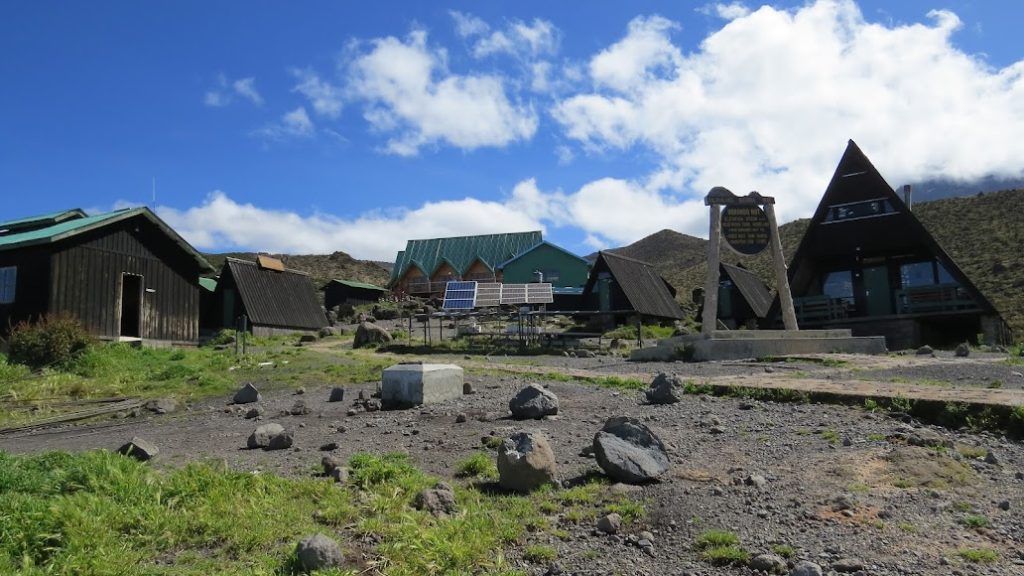
- Mandara Hut to Horombo Hut
- Horombo Hut to Kibo Hut
- Kibo Hut to Summit to Horombo
- Horombo Hut to Arusha
- Departure day
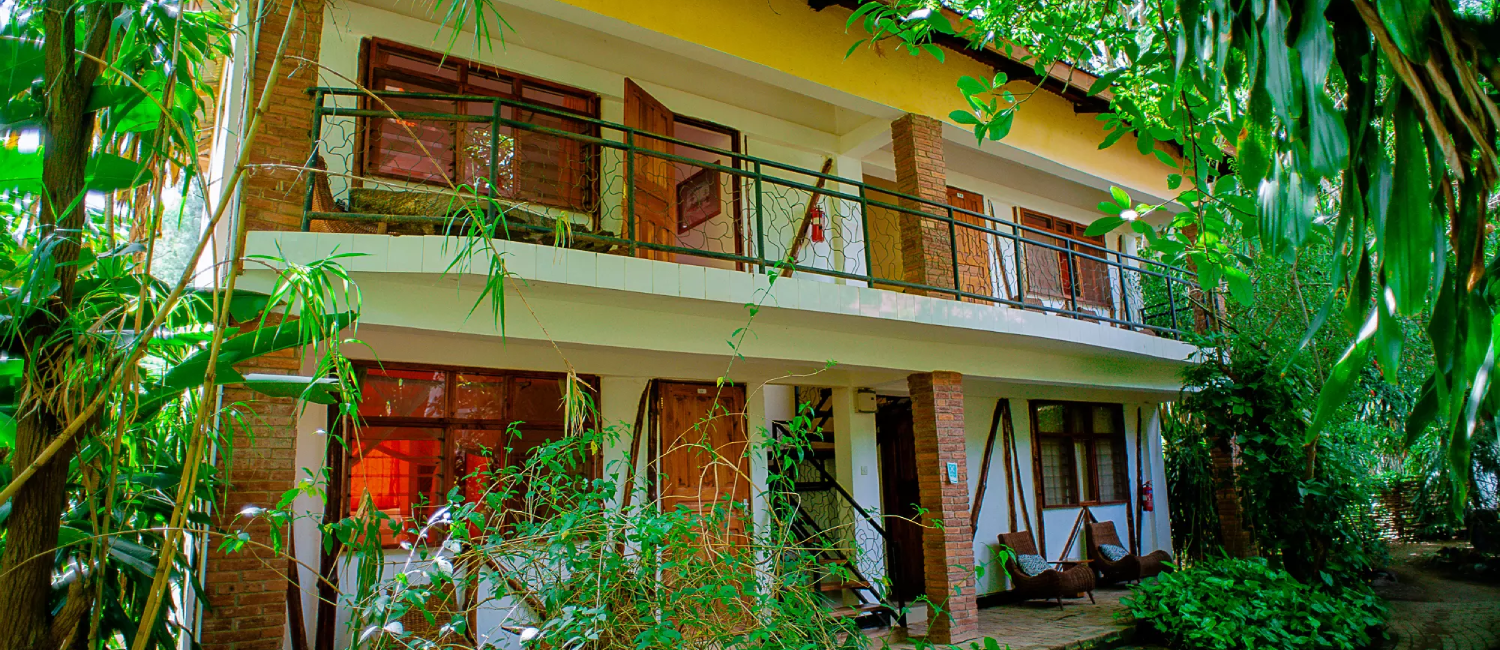
As you walk out of Kilimanjaro International Airport (JRO) or Arusha Airport (ARK) our dedicated driver will be eagerly anticipating your arrival at the airport holding a sign with your name on it, ready to extend a warm and heartfelt welcome. From there, a seamless and comfortable transfer service will whisk you away to enchating hotel in Arusha Upon arrival at the hotel, you will be served a delicious meal. Later on, our experienced mountain coordinators and your Guide will give you a pre-trekking briefing, an exciting opportunity to learn about the wonders that await you in your upcoming expedition on Kilimanjaro.
Accommodation:Outpost Lodge
Meals:Dinner
After breakfast, you’ll set off from Arusha for a 3-hour and half drive to the Marangu Gate. At the gate, you’ll complete the necessary registration formalities before beginning your trek through the verdant rainforest. The trail to Mandara Hut, your first camp, involves a steady uphill hike, where you might spot monkeys and other wildlife. Upon arrival at Mandara, you’ll be greeted with a warm meal and stay in comfortable A-frame huts. In the evening, you have the option to take a short acclimatization hike to Maundi Crater, offering stunning panoramic views of the surrounding landscape. Elevation: 1860m/6100ft to 2700m/8875ft Distance: 8km/5mi Hiking Time: 3-4 hours Habitat: Montane Forest
Accommodation: Mandara Hut
Meals:BreakfastLunchDinner
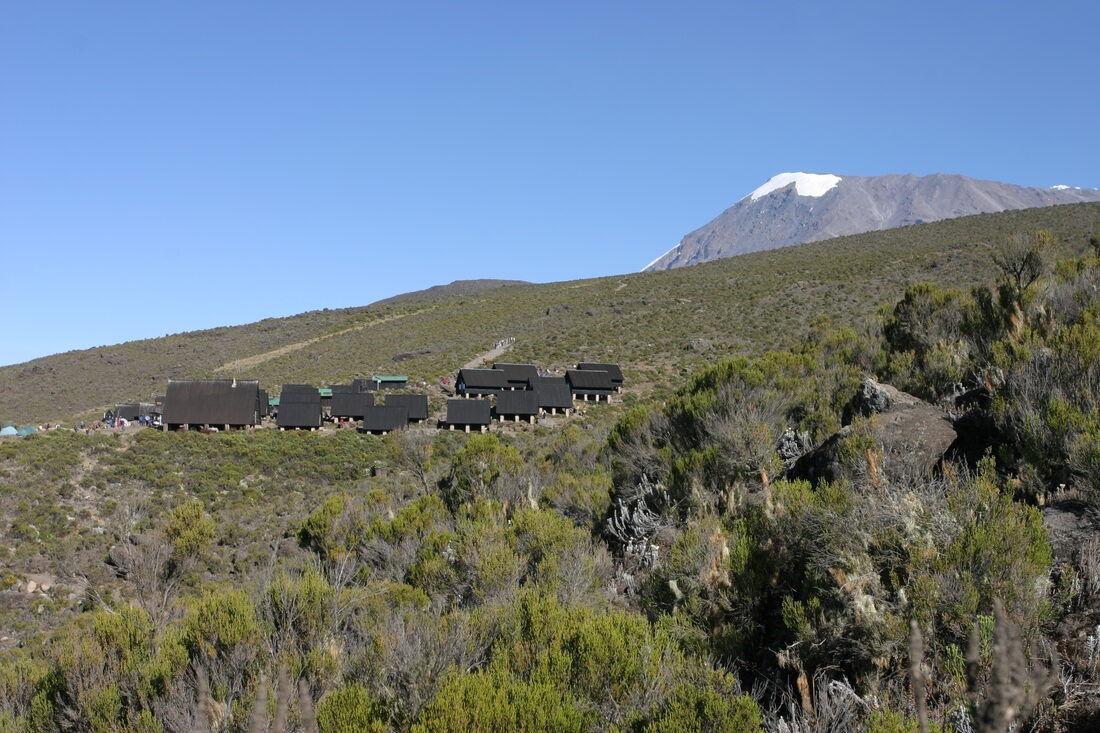
Begin your day with a hearty breakfast at Mandara Hut before continuing your trek through the lush rainforest and transitioning into the moorland zone. As you ascend, the vegetation gradually changes, giving way to a more rugged and open landscape. The 6-hour trek to Horombo Hut offers stunning views of Kibo and Mawenzi peaks along the way. Upon arrival at Horombo, you’ll be greeted with a warm meal and the opportunity to relax and acclimate to the higher altitude. In the evening, your guide will provide a briefing for the next day’s trek, ensuring you are well-prepared for the Elevation: 2700m/8875ft to 3700m/12,200ft Distance: 12km/7.5mi Hiking Time: 5-6 hours Habitat: Heathland
Accommodation: Camping
Meals:BreakfastLunchDinner
Today’s trek takes you across the expansive lunar desert known as the “Saddle,” a barren and rugged landscape that stretches between Kibo and Mawenzi peaks. Although the terrain is stark and desolate, the views of the towering peaks on either side are truly awe-inspiring. The hike will take approximately 6 hours, giving you ample time to take in the vastness of the landscape. Upon arriving at Kibo Hut, you’ll settle in for an early dinner and rest, conserving your energy for the upcoming summit attempt. In the evening, your guide will provide a detailed briefing to prepare you for the final ascent, which will begin just before midnight. Elevation: 3700m/12,200ft to 4700m/15,500ft Distance: 9km/5.5mi Hiking Time: 5-6 hours Habitat: Alpine Desert
Accommodation: Kibo Hut
Meals:BreakfastLunchDinner
Around midnight, you’ll be awakened to begin the final ascent toward Uhuru Peak. The journey to Gillman’s Point, at 5,685 meters, is steep and strenuous, typically taking around six hours of steady climbing. This challenging section will test your endurance, but your guide will offer support along the way. Once you reach Gillman’s Point, you’ll traverse the crater rim toward Uhuru Peak, the highest point in Africa. If the weather cooperates, you’ll be rewarded with a breathtaking sunrise over the continent. After celebrating your incredible achievement at the summit, you’ll descend to Kibo Hut for a short rest before continuing onward to Horombo Hut for the night. Elevation: 4700m/15,500ft to 5895m/19,340ft Down to 3700m/12,200ft Distance: 6km/4mi up / 15km/9mi down Hiking Time: 6-8 hours up / 6-8 hours down Habitat: Alpine Desert
Accommodation: Horombo Hut
Meals:BreakfastLunchDinner
After breakfast, you’ll start your descent through the diverse moorland and lush rainforest zones, making your way back to Marangu Gate. As you trek downward, take in the final views of the landscape and reflect on your accomplishment. Upon reaching the gate, you’ll be presented with your well-earned summit certificate as a testament to your achievement. From there, you’ll be driven back to Outpost Lodge in Arusha. where a hot meal, a refreshing shower, and a comfortable bed await. If you’re interested in extending your adventure, you can meet with our safari coordinator to explore options like a thrilling wildlife safari or a relaxing trip to the stunning beaches of Zanzibar. Elevation: 3700m/12,200ft to 1700m/5500ft Distance: 20km/12.5mi Hiking Time: 4-5 hours Habitat: Forest
Accommodation:Outpost Lodge
Meals:BreakfastLunchDinner
After breakfast, you’ll be transferred back to Airport for your departure. If you wish to extend your adventure, you may choose to add a day trip to your itinerary, exploring nearby attractions or immersing yourself in local culture. For more details, we invite you to visit our Day Trip page. Alternatively, you can continue your journey with a visit to the stunning island of Zanzibar. Whether you’re seeking relaxation on pristine beaches or delving into the island’s rich culture, Zanzibar offers something for everyone. Explore our Zanzibar page to discover the perfect package for your next excursion. If you’re interested in adding a safari experience, please visit our Safari page for more information on our exciting safari options.
Accommodation: No accommodation (Last day)
Meals:Breakfast
- All airport transfer (Unless labeled as option)
- All accommodation in Arusha (Unless labeled as optional)
- All transportation (Unless labeled as optional)
- All park fees
- Dedicated crew - Mountain guides, Chef & Porters
- Fresh Meals as specified in the day by day section
- Pure drinking water & Soft drinks
- Sleeping bag
- Pulse Oximeter - Safety Gear
- First Aid Kit Box - Safety Gear
- Oxygen Cylinder - Safety Gear
- Day by day health check-up
- All Taxes/VAT 18% charged by Government
- Camping Equipment
- Private portable mobile toilet
- Flights
- Optional activities
- Alcoholic drinks
- Tips
- Visa Fees
- Personal spending money for souvenirs etc.
Frequently Asked Questions
Yes, the Marangu Route is commonly completed in 5 days, although the shorter itinerary can make acclimatisation more challenging. Climbers pass through Mandara Hut, Horombo Hut, and Kibo Hut before attempting Uhuru Peak, at 5,895 metres. Summit success depends on acclimatisation, fitness, weather, and individual health.
The Marangu Route is unique because it offers mountain hut accommodation rather than camping in tents. Climbers typically sleep in shared huts at Mandara, Horombo, and Kibo, with communal dining facilities. Sleeping arrangements and facilities depend on the mountain huts available during your climb.
The most popular periods are generally January to March and June to October, when conditions are often more favourable for climbing. However, mountain weather can change quickly throughout the year, so proper preparation and suitable clothing are essential.
You should have a reasonable level of fitness and be comfortable walking for several hours over uneven terrain. Training with regular hikes, uphill walks, and cardiovascular exercise can help prepare you. Because the route is relatively short, acclimatisation can be difficult; follow your guide’s advice, maintain a steady pace, stay hydrated, and report any symptoms of altitude sickness immediately.